Conscious living means noticing what you’re doing instead of drifting through the day. Pick one tiny habit, tie it to something you already do, and stick with it for a month. That’s the short version. The long version has a few warnings, because you’ve probably tried this before and it fizzled.
Why It Fell Apart Last Time
Sunday night, you feel hopeful. From tomorrow you’ll get up at six, journal, stretch, cook real food, and ignore your phone till lunch.
Monday goes fine. Tuesday is okay. Wednesday, your boss drops something on your desk at 4 p.m., and everything slides. By Friday it’s gone and you’re calling yourself lazy.
You’re not lazy. You tried to carry eight things at once. Nobody manages that, least of all on a tired Thursday.
So begin with one. Make it so small it’s a bit embarrassing. Thirty seconds counts. If you can do it on your worst day, it’ll outlast the others.
Get Clear on What You Care About
Open your notes app or grab a pen. Five minutes, no more. Answer these honestly:
- How should an ordinary Tuesday feel? Forget how it looks.
- Which personal values would you want that Tuesday to protect?
- What do you do every single day without thinking?
The last answer is your anchor. A kettle, a toothbrush, the moment you sit at your desk. Whatever it is, your new habit hitches a ride. Kettle clicks off, you take three slow breaths. Done.
Now check your values again. Does one of them sound like your boss, your mom, or some stranger online? Cross it out. You borrowed it.
Fitting It Into a Messy Day
Real days come with traffic, noise, lukewarm coffee, and people who reply to everyone. Simple mindful habits have to squeeze in around all that.
Before the Chaos
A conscious morning routine can be three minutes long. Before your feet touch the floor, try some mindful breathing: in for four, out for six, five rounds. Drink a glass of water. Check in with your body. Stiff? Starving? Oddly wired?
If you feel like it, set a daily intention or two. “Don’t reply to the group chat while annoyed” is a perfectly good one. Morning rituals don’t have to look great in a photo. They just have to happen.
Around Noon
This is where routines go to die. The inbox swells, someone needs something now, and you’re eating lunch over your keyboard again.
Pick one of these and forget the rest:
- A slow breath before opening a new email.
- Your first few bites of lunch with no screen nearby.
- A quick “what am I feeling?” That’s emotional awareness, and it takes five seconds.
- Five things you can see right now, to pull you into the present moment.
You’ll be clumsy at it. Everyone is.
Winding Down
You’re wrecked by evening, so keep this part light. Give yourself a couple of minutes of self reflection. What went well? What drained you? What would you do differently?
Then write one line of gratitude. A decent sandwich. A quiet bus ride. A message from someone you hadn’t heard from in ages. Nobody’s asking you to feel cheerful on command. You’re just exercising a muscle, the one that spots what’s already fine, and it goes soft if you never use it.
A few weeks in daily self awareness starts creeping up on you. Maybe you’ll see that Wednesdays always flatten you. Maybe one weekly meeting wrecks your whole afternoon. Good to know, either way.
The Tiny Choices Do the Heavy Lifting
You might picture conscious living as a string of dramatic gestures, like quitting your job or buying a cabin somewhere remote. Mostly they’re small. Are you hungry, or just bored? Do you want to go to that party, or do you only think you should?
Nobody sees those pauses, and nobody hands you a medal. Still, mindful decisions stack up. A month of them can change how your week feels.
Somewhere along the way, your conscious daily habits quit feeling like chores and turn into background settings. A few may even become healthy habits you never planned, like a walk after dinner or an earlier bedtime.
You’ll Slip, So Plan for It
You’ll forget the breathing for a week. You’ll scroll until 1 a.m. You’ll snap at someone you love.
That isn’t failure. It’s information. What got in the way? Was the anchor wrong? Was the habit too long? Change one thing and go again. People who keep intentional living habits aren’t the ones who never miss a day. They’re the ones who restart without making a fuss.
If you want something to read on the side, Jerimy Des wrote Universe Within You, a book about turning your attention inward. Much of it comes back to one simple idea: the calm you keep hunting for is already there, and your Inner Light only needs a little quiet room each day.

If you’d like more writing in this spirit, you can explore Jerimy Des, where you’ll find more about inner calm and everyday awareness.
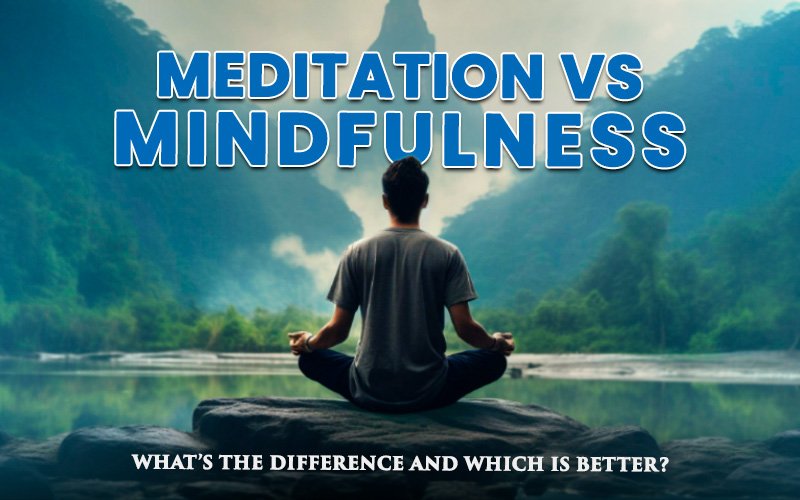
You might also like Meditation vs Mindfulness: What’s the Difference and Which Is Better? It helps you work out which practice suits you.
Give it a few months and intentional daily living stops feeling like a project. You won’t be running a routine anymore. You’ll just live that way.
Frequently Asked Questions
It takes people anywhere from three to six weeks to become adjusted, but it depends on the individual’s timetable and level of stress. Focus on one little thing, and if you don’t do it one day, just start the next day.
Ten minutes is plenty. Spend two on breathing in the morning, take a few single breath pauses during the day, and give five to reflection at night.
No. Meditation helps some people, but walking, journaling, or paying attention while you eat works too. Pick whatever you’ll actually keep doing.